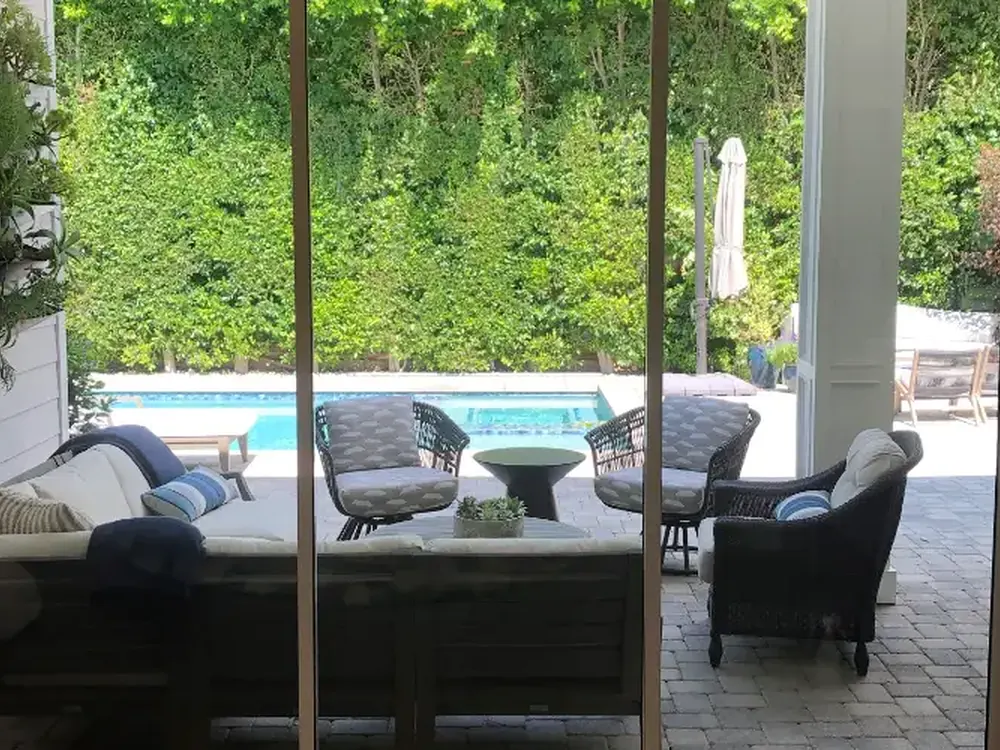
Every building owner eventually receives the same proposal: replace the glazing with high-performance units and watch the cooling bill fall. The performance is real. So is the six-figure number at the bottom. Solar control film gets a large share of the same benefit for a small share of the cost — and in a valley with this cooling season, the arithmetic is unusually favourable.
Where the cooling load comes from
Where a building carries a lot of glass, what comes through the windows is among the biggest drivers of its cooling demand. The sun lands on the pane, the energy passes into the space, and the plant spends every afternoon extracting heat nobody paid to bring in.
The number that governs it is the solar heat gain coefficient, the proportion of solar energy the glass lets past. Plain single glazing runs near 0.8 — four fifths straight through. A properly chosen solar control film brings that down sharply with the glazing left exactly as it is.
Why the economics work here specifically
This valley is close to a best case. The cooling season is long and genuinely hot, commercial electricity rates in the region are high, the office stock along the 101 corridor was built with a great deal of glass, and there is very little heating load to give back in winter — which is the trade-off that weakens the case for solar film in colder climates.
Add that film installs from the interior, overnight, with no scaffolding, no permits, and no tenant relocation, and the disruption cost rounds to zero. That combination is why payback here commonly lands inside a few years rather than the decade a glazing replacement needs.
Getting a number you can trust
Treat any percentage offered before someone has seen the building as a guess. A proposal worth reading sets out its basis:
- Glass area broken out per elevation, with aspect and existing construction recorded.
- The manufacturer's own solar heat gain, light transmission, and infrared numbers for the exact product quoted.
- Solar heat gain modelled before and after on the glass you actually own.
- A written thermal stress result clearing that film for your particular units.
That last one is not optional, and it is especially not optional here. Dual-pane and factory-tinted glass can crack from the added heat load if the wrong film goes on, and the glazing warranty goes with it. It is the most expensive mistake available in this trade.
Title 24 and rebates
California's Title 24 energy standards apply when you alter a building envelope, and window film can contribute toward compliance on retrofit projects. Regional utility efficiency programmes have at various points offered incentives for solar control film — worth checking with your provider, because the programmes change and the paperwork is straightforward when it applies.
The documentation for either route comes as standard — the same pack an energy consultant would ask for, supplied whether or not you file for anything.
It's not only about the bill
The energy argument is what gets a project approved, but comfort is what tenants actually notice. Perimeter offices stop being unusable after lunch, blinds stay open, and the thermostat argument on the west side of the floor quiets down.
For occupied floors we work nights and weekends so nobody loses a working day. If you'd like an assessment with real numbers on your glazing, get in touch and we'll survey the building at no cost.